Yesterday Enrika splendidly defended her MSc thesis “The chick embryo as a model to study the initiation and growth of neuroblastoma”! Congratulations!
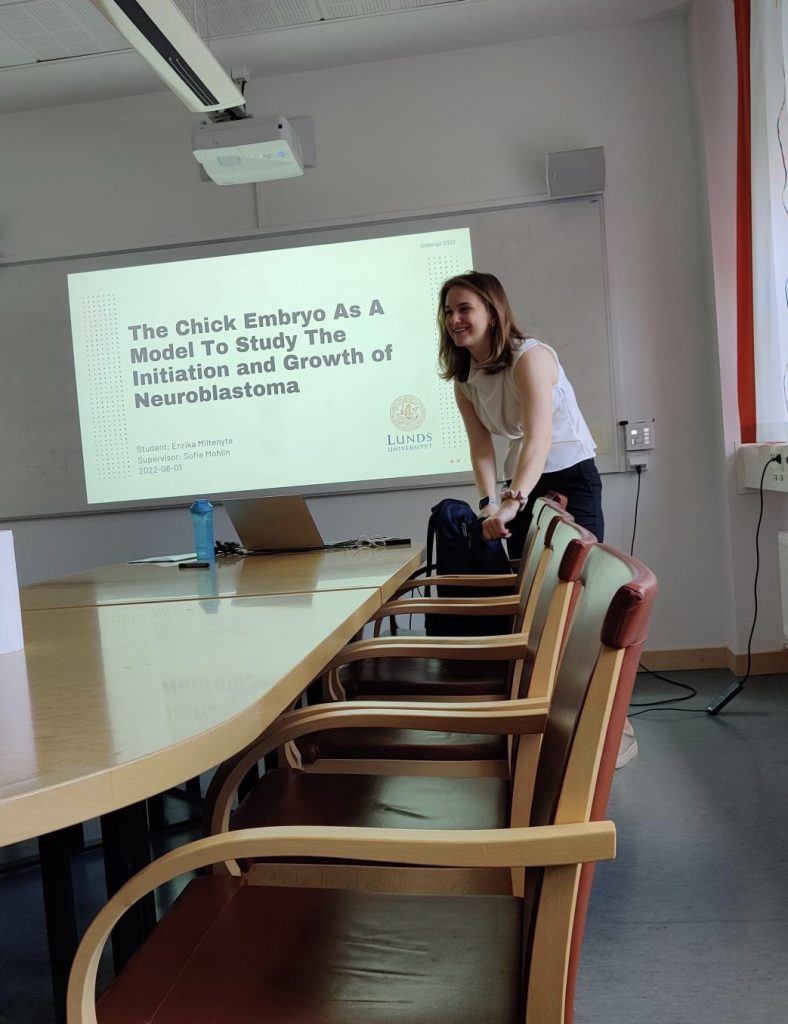

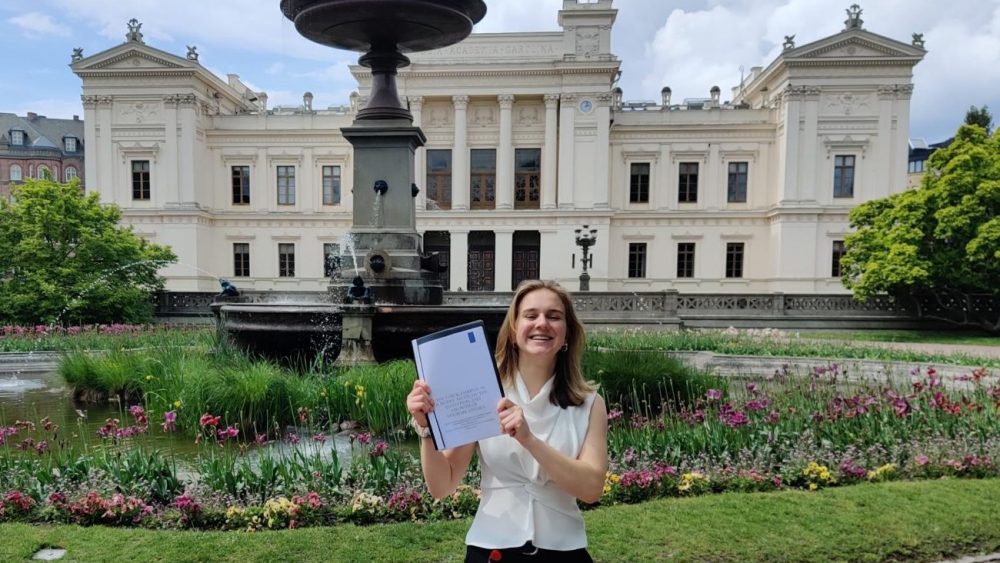
Yesterday Enrika splendidly defended her MSc thesis “The chick embryo as a model to study the initiation and growth of neuroblastoma”! Congratulations!
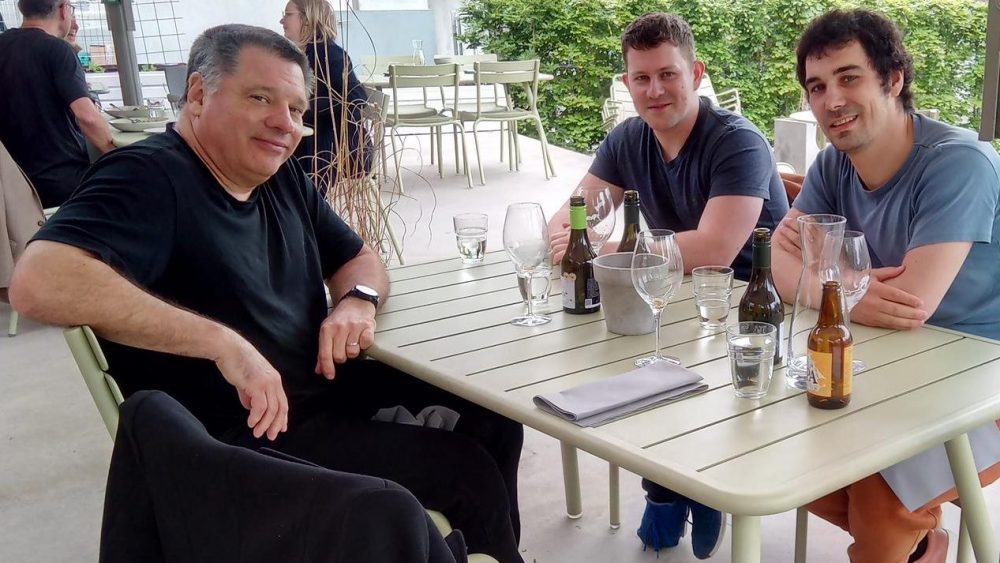
Last week we had much appreciated visit by Dr Ken Pienta, Professor at the Johns Hopkins School of Medicine, to discuss PACCs and speciation events.
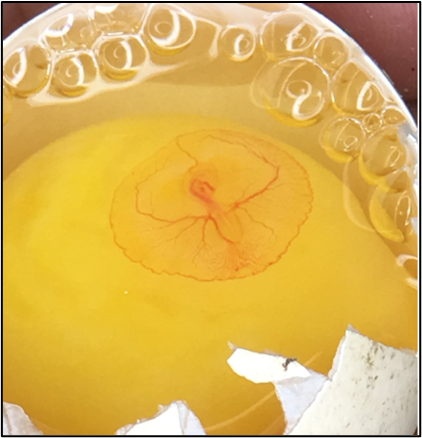
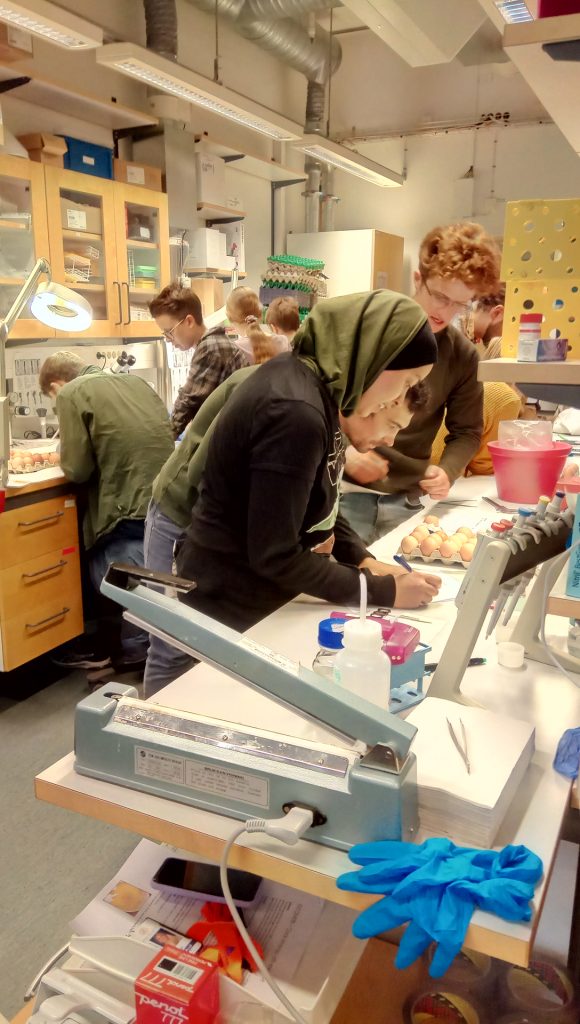
Earlier this week we had the pleasure to host a lab exercise for geology students taking the GEOM09 course.
In this lab exercise the students get to test the role of hypoxia for chick development. Before starting a 72h incubation, a group of eggs get small hole in their shell while the control group of eggs are normal.. The students then open up the eggs and measure the number of surviving embryos and the size of the vasculature for living embryos. The students also calculate if the differences are significant.
Want to find out more on what results to expect? Check out our article from last year!
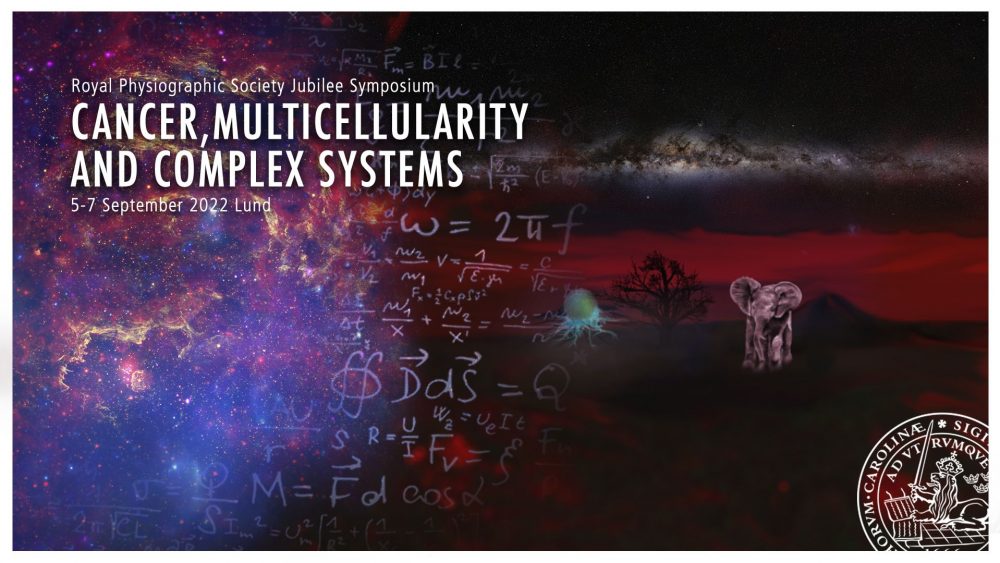
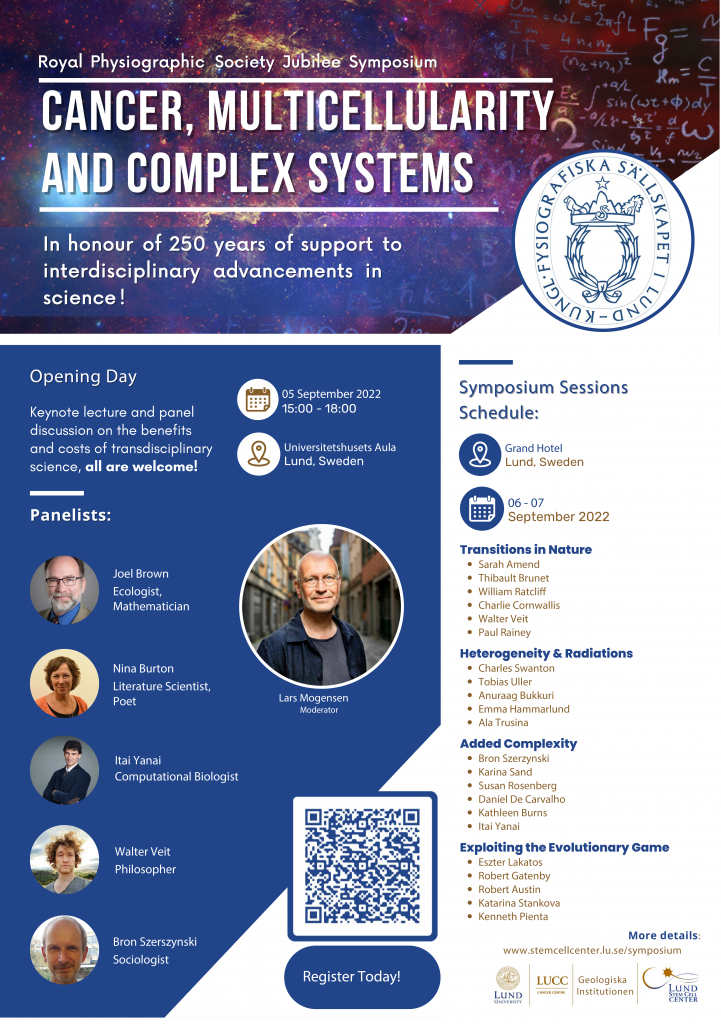
The rise of multicellularity on Earth and the rise of cancer within the human body are critical events that we do not fully understand. It seems clear, however, that these events are joined by how they result from complex ecological and evolutionary processes. To unravel these processes, it also seems clear that we have to gather expertise from several scientific disciplines. Only by seeking the evolutionary and complex origins of tumor formation, can we improve our ability to predict and target cancer early.
Here, we gather experts from the fields of evolutionary, tumor and stem cell biology, as well as geobiology, virology, and physics to discuss what we collectively do – and do not yet – know about cancer and multicellularity from an evolutionary perspective.
In celebration of over 250 years of support for interdisciplinary collaboration within the realm of science, this symposium is funded by the Royal Physiographic Society and its partners at Lund University Cancer Center, Lund Stem Therapy, Lund Stem Cell Center and the Geological Department.
The organizing committee consists of Jessica Abbott, David Gisselsson Nord, Johan Jakobsson, Håkan Axelsson, Per Alm, Kristian Pietras, Charlie Cornwallis and Emma Hammarlund. Warmly welcome!
Symposium ‘Cancer, multicellularity and complex systems’ 5-7 September 2022 (invajo.com)
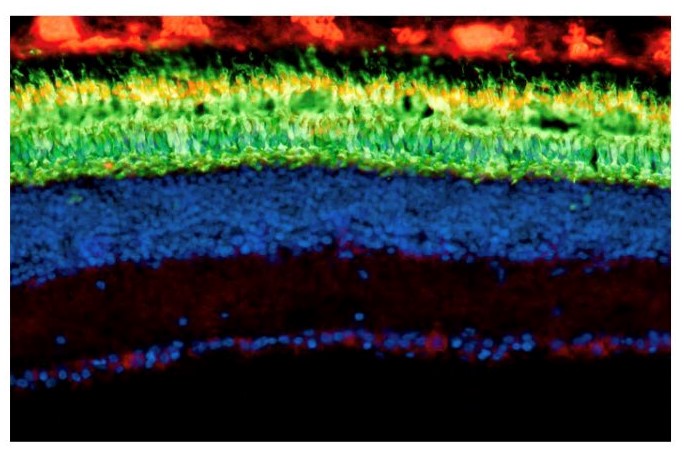
FOTCIENCIA aims to bring science and technology closer to society through scientific photography with the publication of a catalog and the production of an exhibition that will visit around twenty locations throughout Spain.
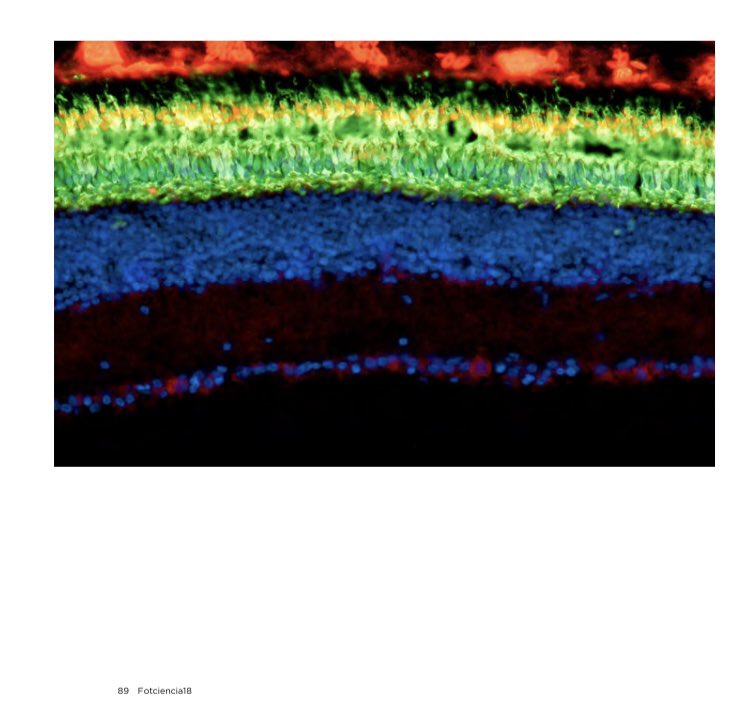
This picture taken by Guadalupe shows a cryosection of the retina of a bird, the timor zebra diamond, where the presence of photoreceptors (in green) has been revealed through immunohistochemical techniques, which allow us to see the colors of the world (cones) or visualize objects in low light (rods). In red, the outer segments of the photoreceptors are marked, which contain different pigments that vary from one class of vertebrates to another. In blue, the nuclei of all the cell types that make up the retina are marked, thus giving a view of the location of the photoreceptors in the tissue.
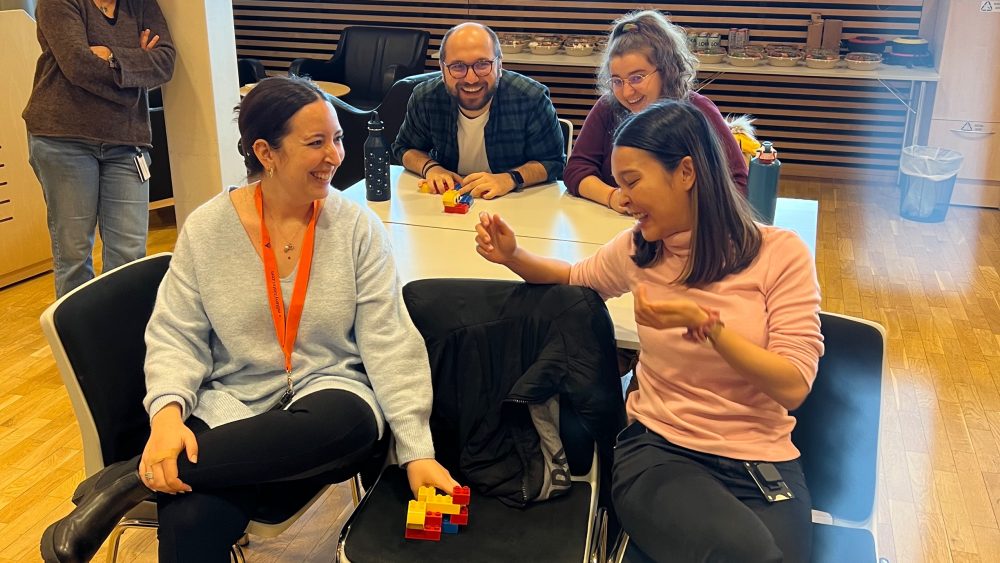
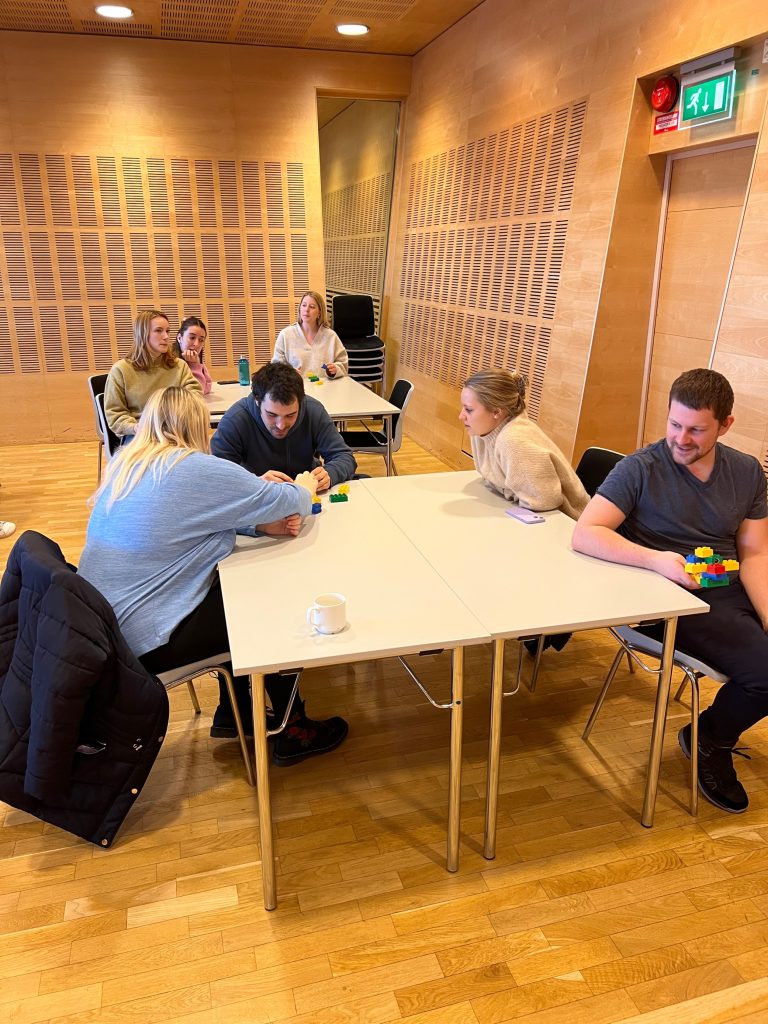
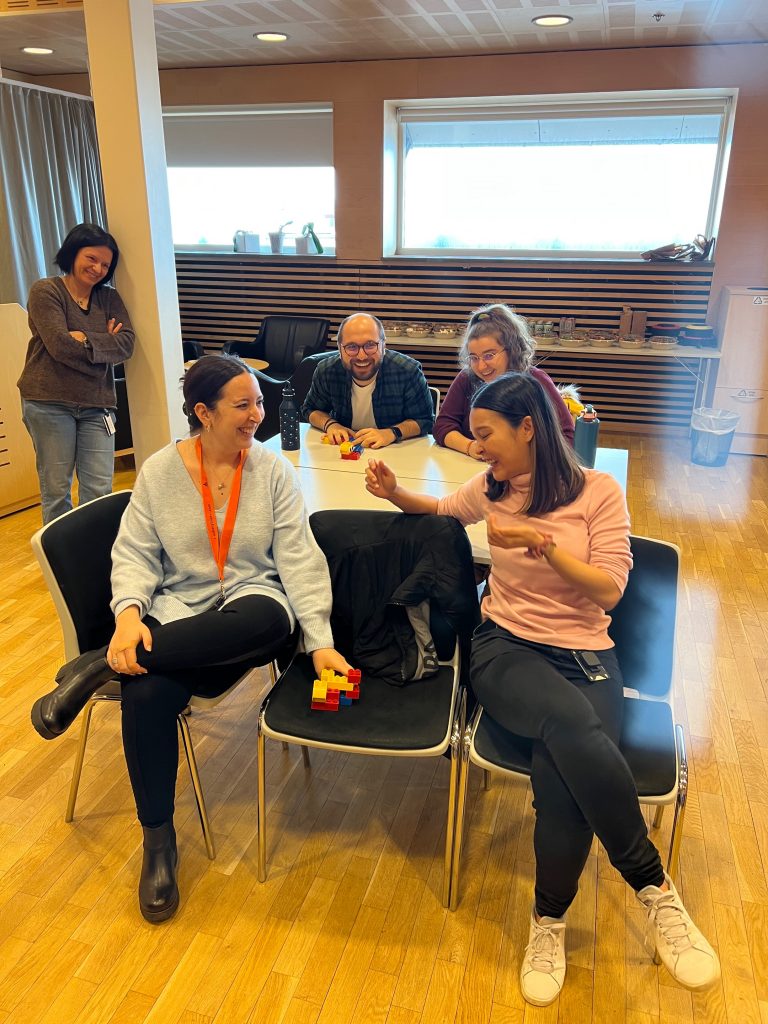
On Wednesday we had an extended duo lab meeting working on team building and how to improve research. Describing and building Lego Duplo models, having salads for lunch and playing applicant vs. funding agency. A very productive and fun meeting!


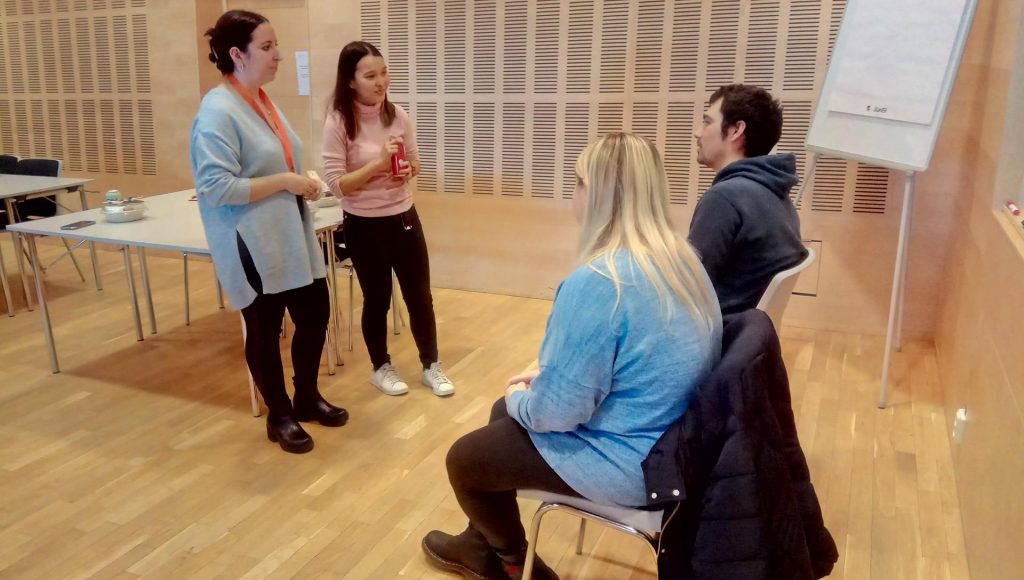



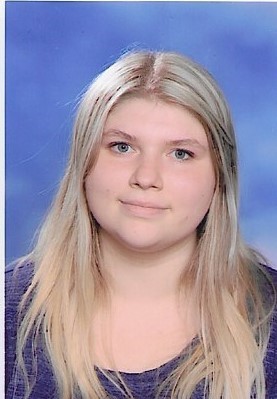
We welcome new MSc student Laura Solé to the Mohlin group! Laura is studying Biological Engineering at the Engineering School Polytech Clermont-Ferrand in France. She will do a 4-month Erasmus internship working closely with Guadalupe on establishing a human-chick chimera model.
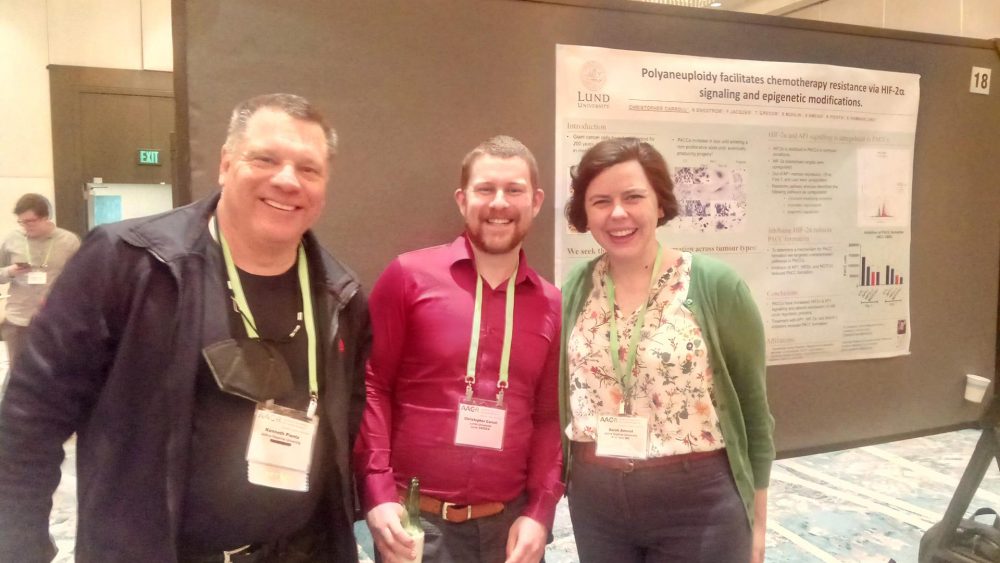
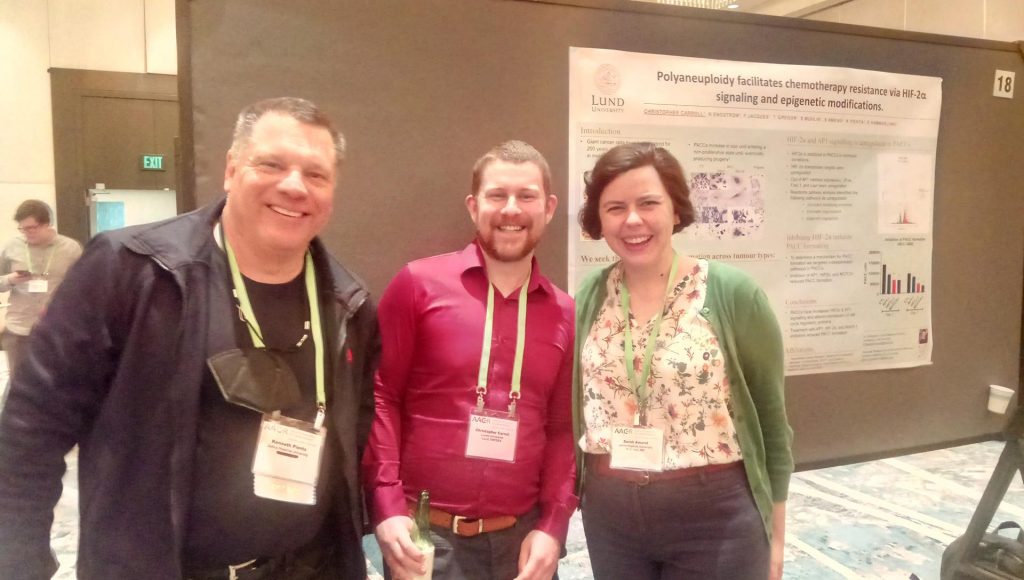
Emma and Chris attended the AACR (American Association for Cancer Research) meeting on Evolutionary dynamics in carcinogenesis, 2022 in Tampa, USA. Chris presented a poster of his work on PACCs together with Emma (taking the photo), Ken Pienta (left) and Sarah Amend (right).
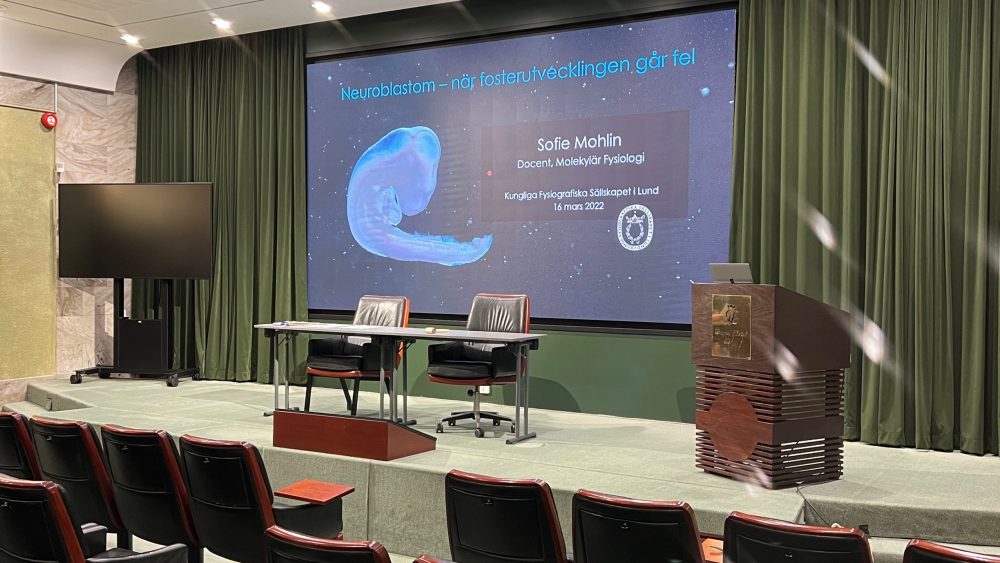
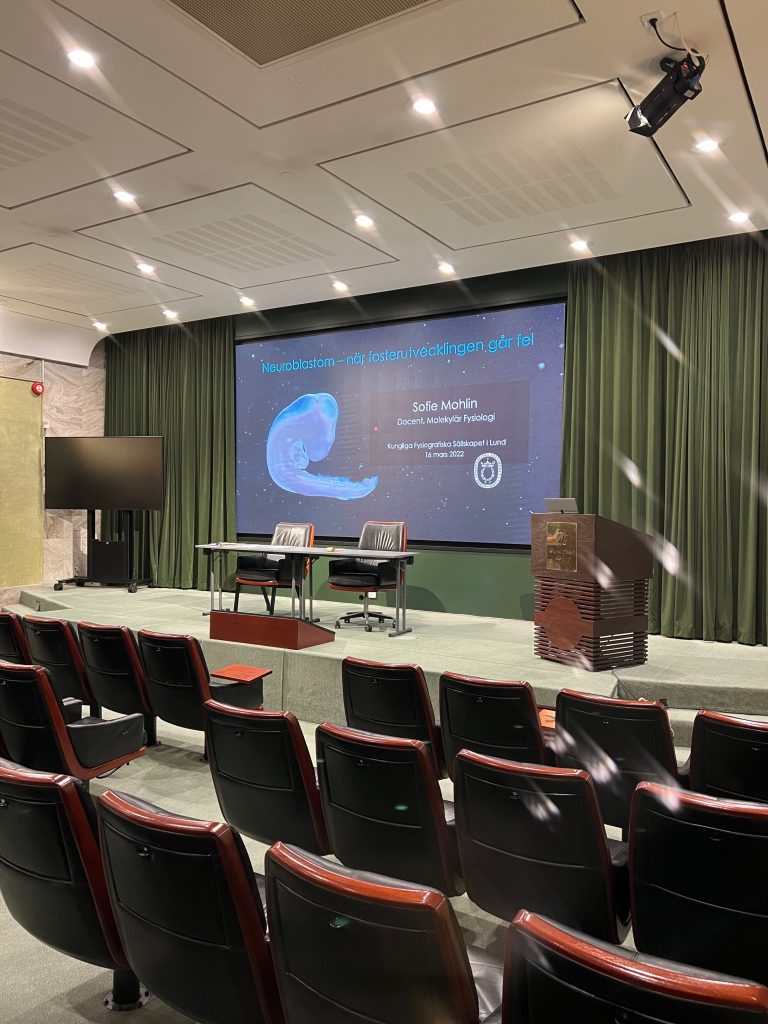
Last night, Sofie gave a popular science lecture to the members of the Royal Physiographic Society in Lund, and was the guest of honor at their subsequent dinner at Grand Hotel!
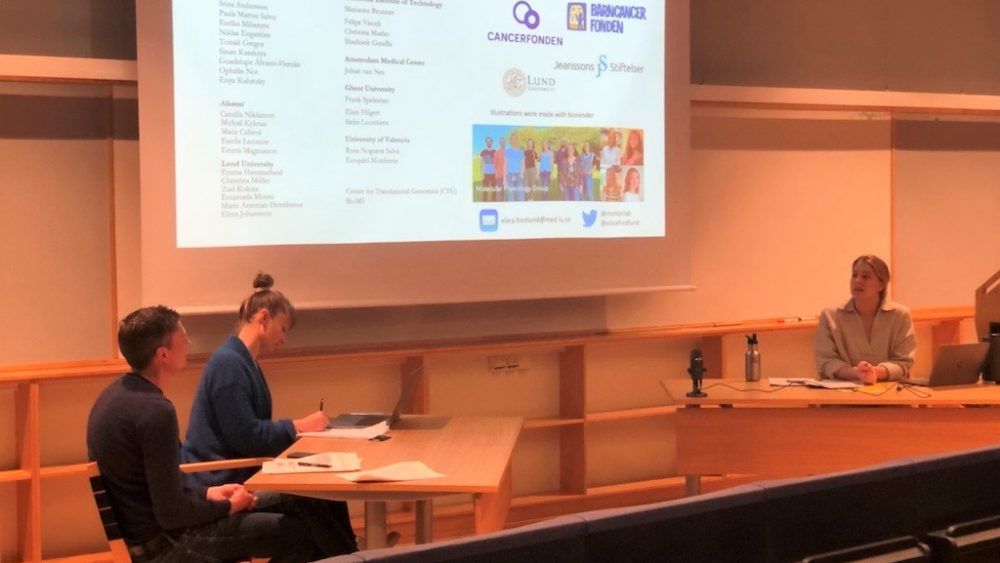
Elina delivered an excellent presentation and defense for her half time!
Opponents:
Agnete Kirkeby, Dep. of Neuroscience, University of Copenhagen and Dep. of Experimental Medical Science, Lund
Göran Jönsson, Div. Of Oncology and Pathology, Dep. of Clinical Sciences Lund
2022-03-02
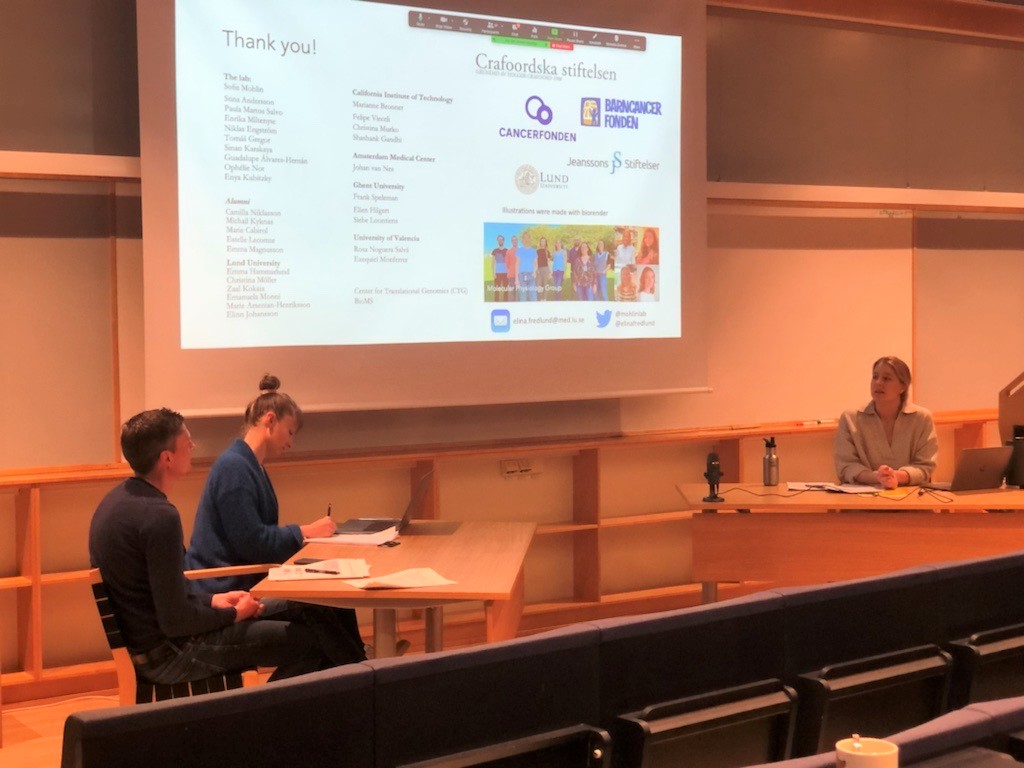
Our blog is now up and running! Check out our group pages and subscribe to updates!
Comments